Filtration in the Wine Cellar
Filtration in the wine cellar is an essential process in winemaking. It allows for the removal of undesirable particles and yeasts from the wine that could cause turbidity and helps to produce a clear, clean wine. Filtration can be carried out in various ways, from coarse filtration to microbiological stabilization of the wine. The selection of the right filters and filter sheets is crucial to ensure a high-quality product. Leading manufacturers of wine filtration systems include Seitz (Pall) and Eaton.
Seitz, a brand of Pall, offers a wide range of filtration solutions for wine cellars. They produce various types of filter sheets, including depth filters, membrane filters, and sterile filters. Seitz filter sheets are characterized by their efficient particle retention and high flow rate. They are known for their high mechanical and thermal stability, which makes them suitable for repeated use and chemical cleaning. Seitz offers both standardized and customized filtration solutions tailored to the specific needs of each wine cellar.
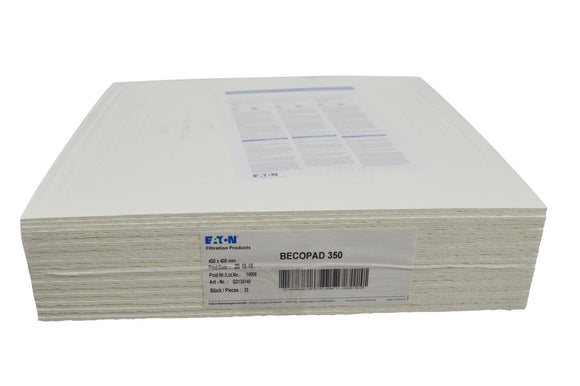
Eaton Filter Sheets
Eaton is another renowned manufacturer of filtration systems for wine cellars. Their product range includes bag filters, cartridge filters, and filter sheets, among others. Eaton places particular emphasis on sustainable solutions. Their filter sheets are made from pure cellulose fibers, which are biodegradable and can be composted after use. Eaton's filter sheets offer high particle retention rates and are suitable for various filtration grades, from coarse filtration to fine filtration. They are known for their durability and robustness and can operate reliably even under harsh conditions.
Seitz (Pall) Filter Sheets
Both manufacturers, Seitz (Pall) and Eaton, have a long tradition in the wine industry and are known for their high-quality products and technical expertise. Their filtration solutions help winemakers improve the quality and clarity of their wines while increasing the efficiency and sustainability of their production processes. The choice between these two manufacturers or the use of both in different process steps depends on the specific requirements and needs of the respective wine cellar.